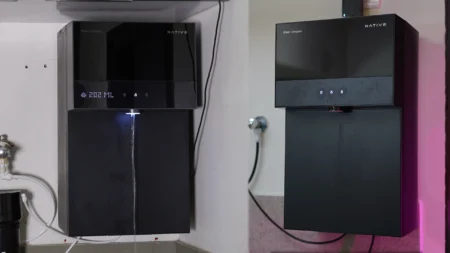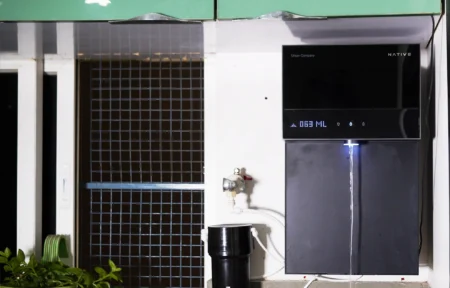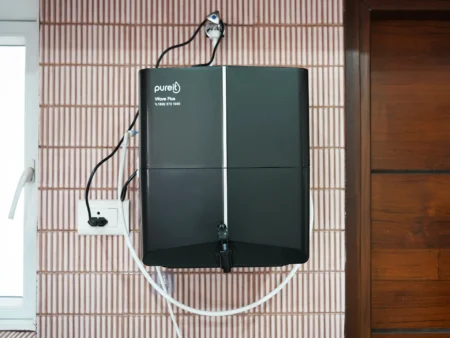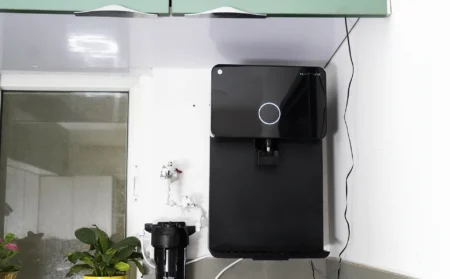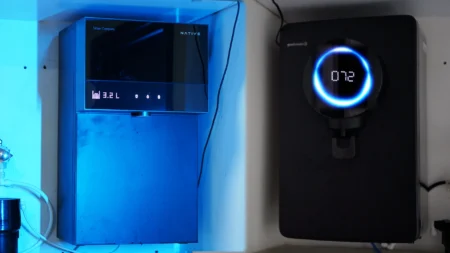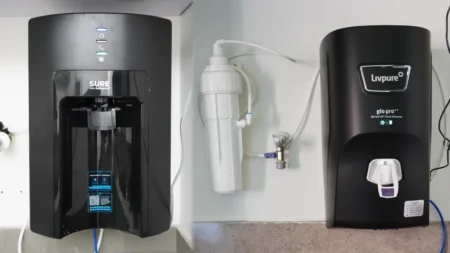

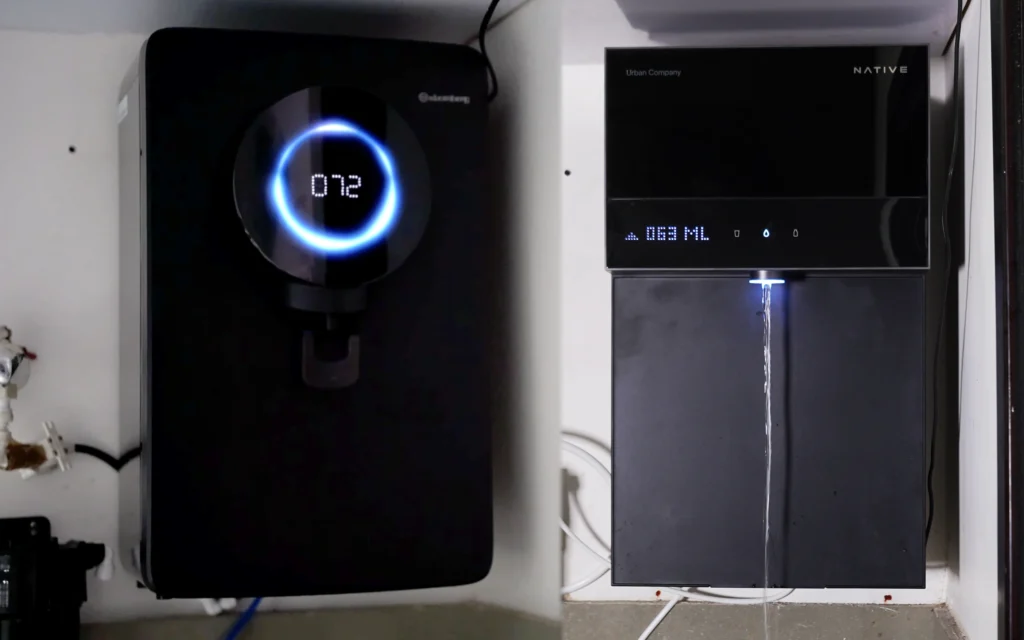
The Native M3 Pro is the better value over the life of the machine. Its filters run 18,000 litres between changes, where the Atomberg Intellon’s are rated for 12,000. The Native handles water up to 2,000 TDS and the Intellon stops at 1,500. And where the Native’s display matches a handheld TDS meter, the Intellon’s reads about 40 per cent higher by design, so the two will never agree.
The Atomberg Intellon is cheaper to buy and slightly dearer to keep running across six years. On a low TDS municipal supply, in a pin code Atomberg has not flagged, the Intellon is the better of the two machines. The catch is how few pin codes are unflagged.
What the four machines cost
The Intellon is the cheapest to buy. The M3 Pro is the dearest. Card offers reduce the difference.
| Atomberg Intellon | Native M2 Pro | Native M3 | Native M3 Pro | |
|---|---|---|---|---|
| Usual selling price | ₹18,999 | ₹19,499 | Tracks the Pro | ₹26,999 |
| With card offer | ₹16,000 to ₹17,000 | ₹16,000 to ₹17,000 | Gap to the Pro rarely above ₹2,500 | ₹22,000, sometimes ₹21,000 |
| Tank | 8 L, ABS plastic | 8 L Food grade plastic | 6 L, Food grade plastic | 6 L, SS 304 |
| Filter life | 12,000 L / 2 years | 12,000 L / 2 years | 18,000 L / 3 years | 18,000 L / 3 years |
| Warranty | 2 years | 2 years | 3 years | 3 years, 10 on the tank |
| Max input TDS | 1,500 ppm | 2,000 ppm | 2,000 ppm | 2,000 ppm |
| Reject water at 500 to 700 TDS | About 1 L per litre | About 1 L per litre | 0.7 L per litre | 0.7 L per litre |
| Power cut | Dispenses | Dispenses | Dispenses | Dispenses |
| Drip tray | No | Yes | No | No |
What each one costs to keep running
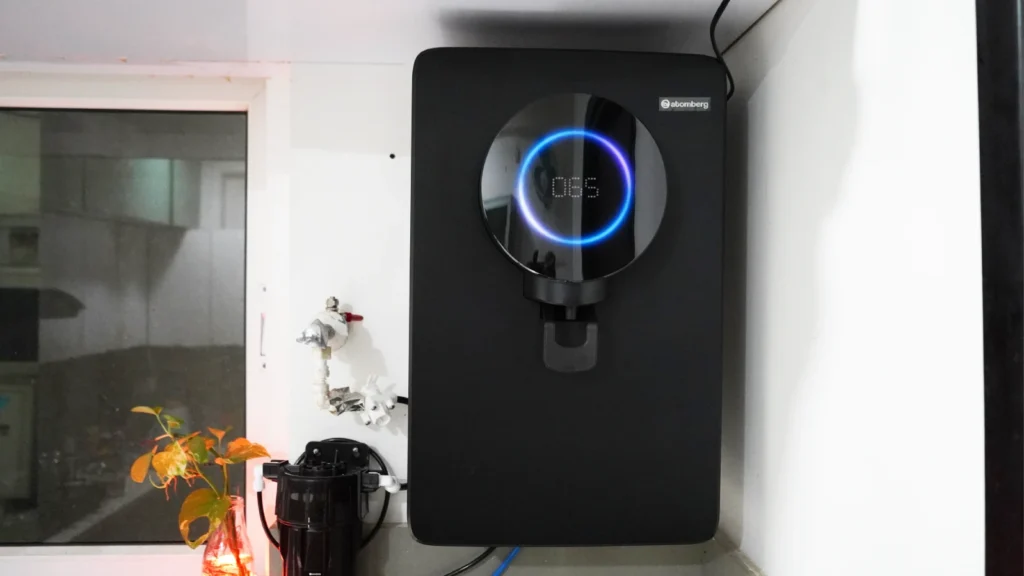
Over six years the Atomberg Intellon costs ₹8,020 in filters. The Native M3 Pro costs ₹7,000.
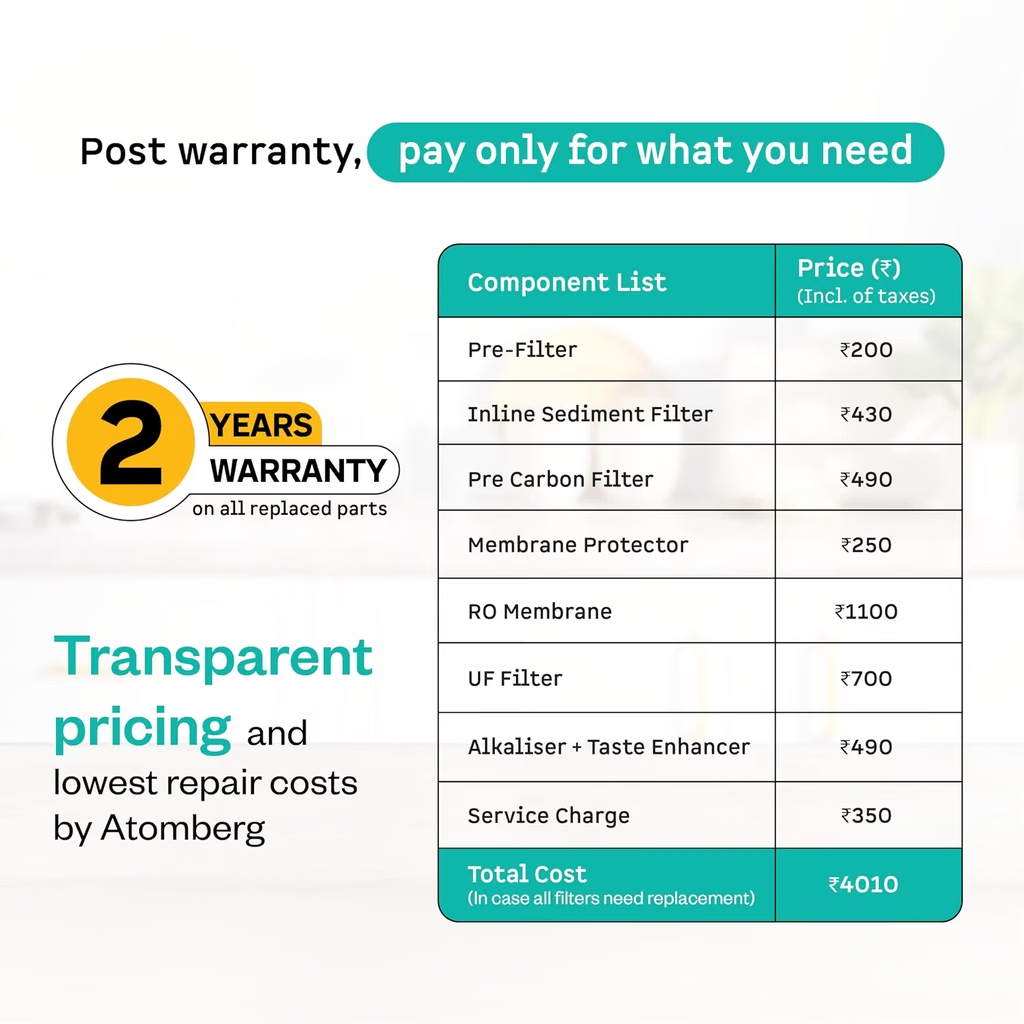
Atomberg publishes its post-warranty prices. Pre-filter ₹200. Inline sediment filter ₹430. Pre-carbon filter ₹490. Membrane protector ₹250. RO membrane ₹1,100. UF filter ₹700. Alkaliser and taste enhancer ₹490. Service charge ₹350. The total is ₹4,010 including taxes if every filter needs replacing at once. Each replaced part carries a fresh two year warranty. This falls due twice in six years.
Urban Company covers everything for three years. It then sells one sealed kit at ₹7,000. Paying for the kit renews the unconditional warranty for another three years. This falls due once in six years.
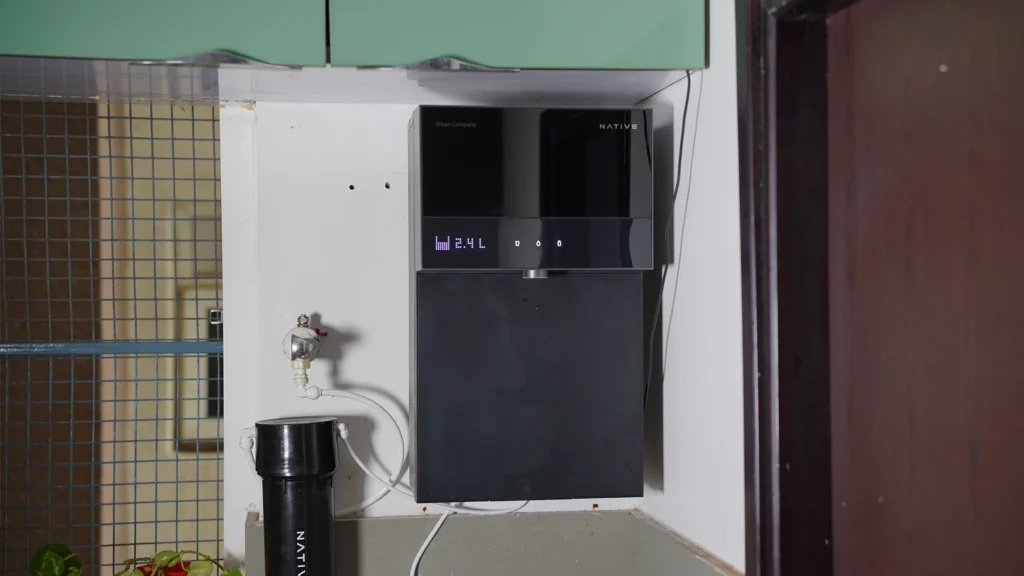
Atomberg’s method replaces only the part that has failed. Native’s method needs one payment on a known date instead of two visits and a parts list.
Neither uses the older AMC model. Urban Company charged ₹5,000 for two years on the Native M1 and M2.
Adaptive Flow: the feature the app can take away
The Intellon skips RO when incoming water measures below 250 ppm. This is called Adaptive Flow Mode. The app does not allow it in pin codes Atomberg has flagged for contamination.
The message owners see reads: “Magnesium detected in your region. Please use RO+UV mode.” It links to a regional water quality page.
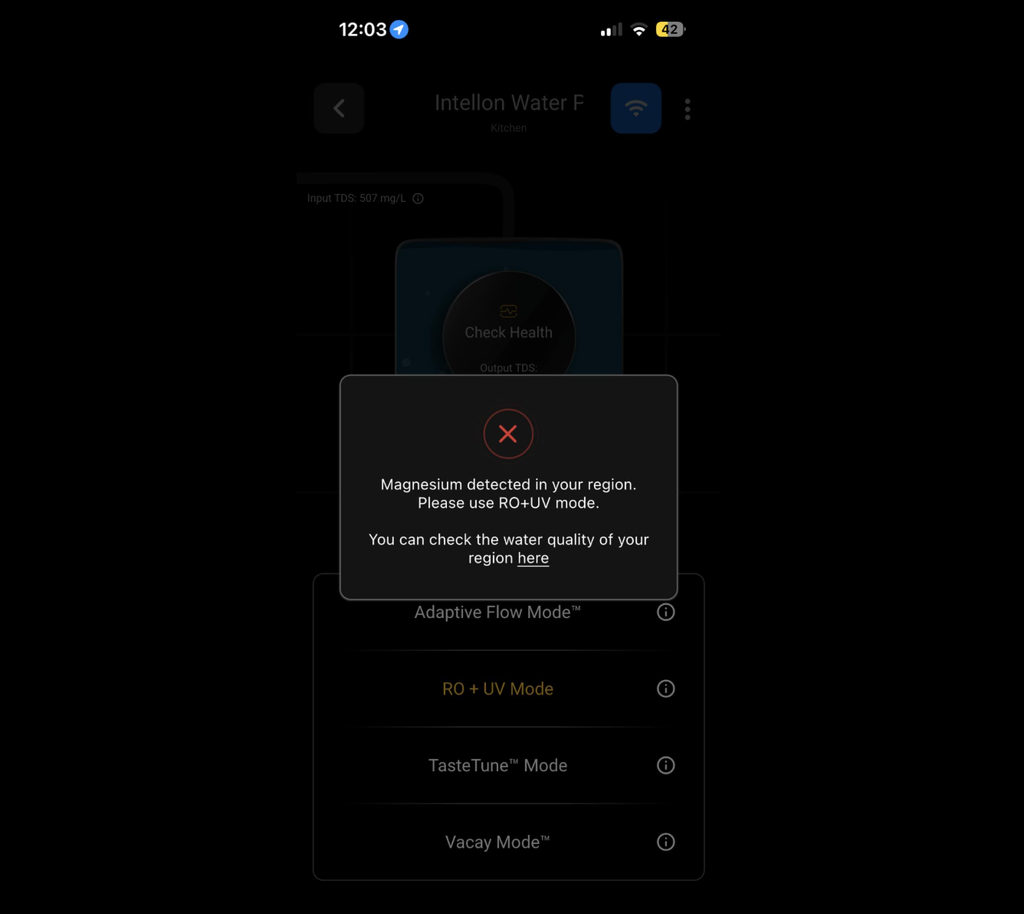
Blocking the mode on health contaminants is correct. Fluoride, arsenic, nitrate and lead do not appear in a TDS reading. Water can read 180 ppm and still be unsafe without RO.
The CGWB flagged 644 of the 755 districts it monitored for at least one contaminant above the BIS limit, across its 2024 and 2025 reports. That is 85 per cent. Nitrate accounts for 526 districts. Iron 409. Fluoride 301. Arsenic 140. Lead 28.
Check your own district groundwater quality before paying for Adaptive Flow.
The Native machines do not offer the choice. They run RO on every supply.
Why the two displays disagree, and by how much
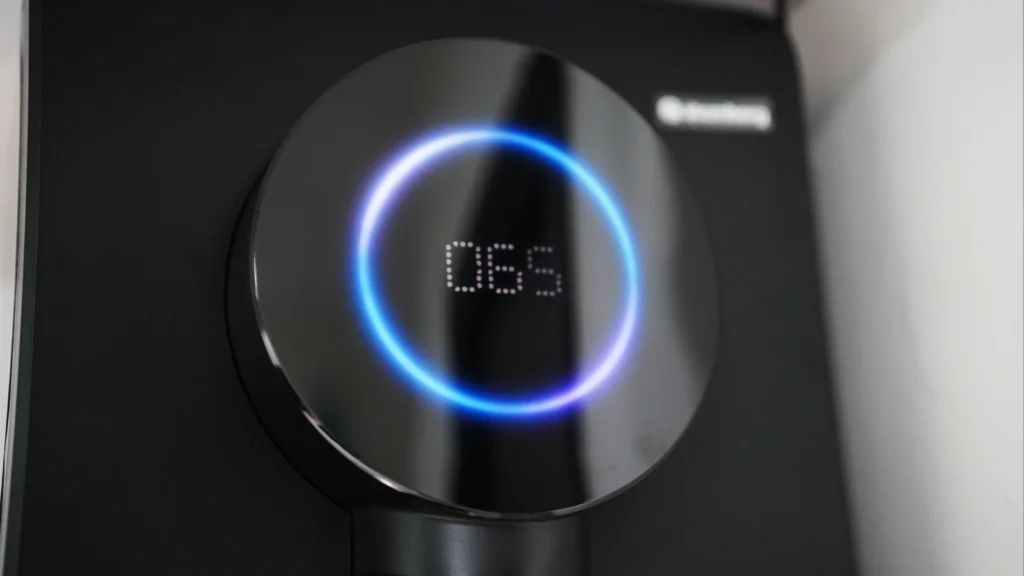
The Intellon reads about 40 per cent higher than a handheld tds meter. This is by design, not a fault.
Atomberg’s app explains it. Its sensors are calibrated against the 442 solution: 40 per cent sodium bicarbonate, 40 per cent sodium sulphate, 20 per cent sodium chloride. Atomberg says this resembles the ionic makeup of drinking water. Most handheld meters are calibrated against NaCl, which suits brackish and sea water. Atomberg states that a 442-calibrated sensor “typically shows 40% higher TDS readings” than an NaCl meter.
The argument is reasonable. For drinking water, 442 may be the more representative reference.
The effect is on the features. Adaptive Flow triggers below 250 ppm on the machine’s own scale. A supply a meter reads at 250 reaches the purifier as 300+, and the adaptive mode stays shut. TasteTune offers bands of 50 to 100, 75 to 125 and 100 to 150 ppm. Those bands are in 442 units too.
Our readings sat 20 to 25 ppm above the meter at normal output levels. That is what 40 per cent comes to at those values.
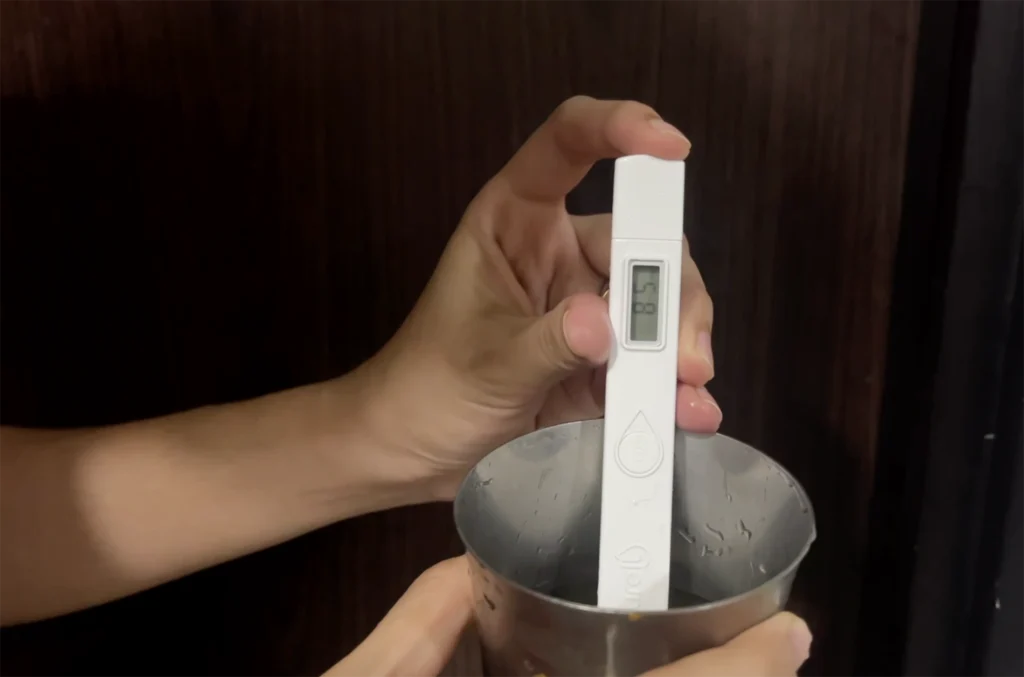
The Native M3 Pro matched our handheld meter. Urban Company uses the same reference a meter uses. Neither brand is lying. They quote different units, and only one of them says so.
Can you trust the filter health readout?
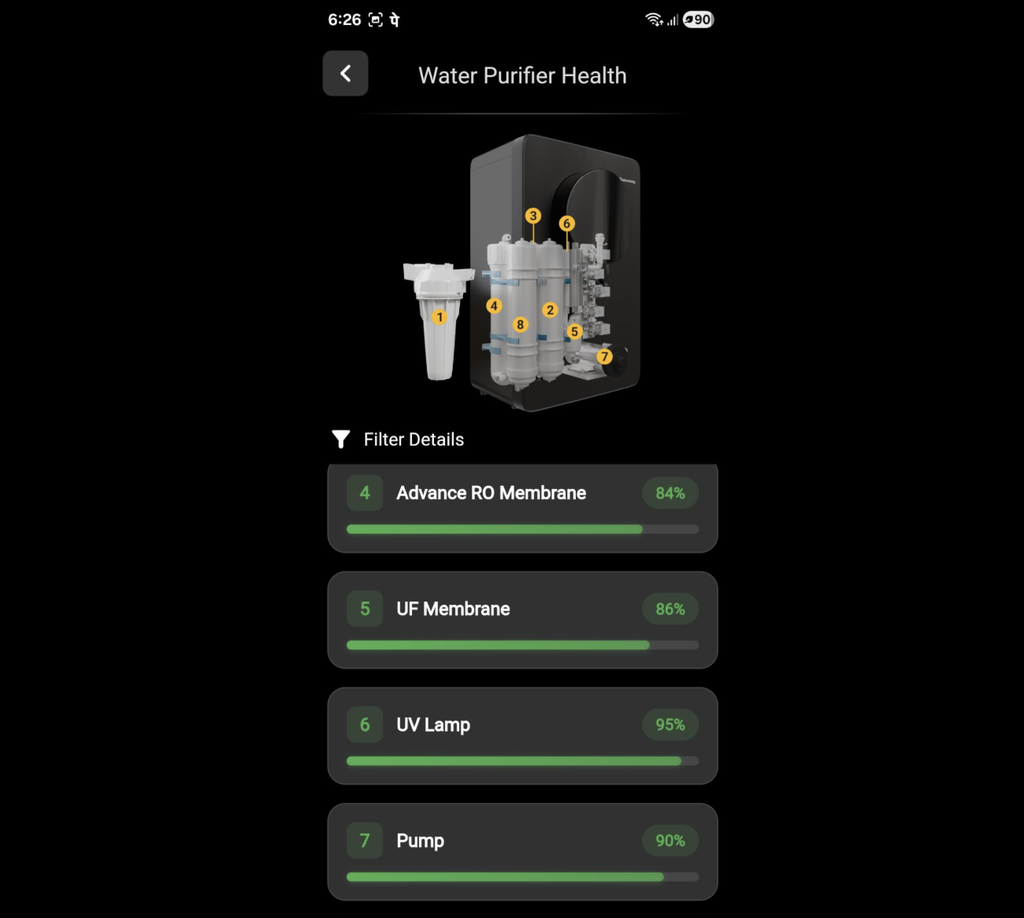
No, not on the Intellon. Only partly on the Native.
We disconnected a pre-filter from the Intellon and left it off. Six months later the app reported 90 per cent filter health.
Both brands calculate filter life rather than measure it. A spent membrane cannot be judged from outside the housing. Native’s calculation reads pump load, tank fill speed, inlet pressure, input TDS and output TDS.
Treat the percentage as a service reminder.
Filter life, and the ceiling on your water
Filter life on the Atomberg Intellon depends on your water, and Atomberg publishes the whole scale rather than one number. On municipal supply below 300 ppm the RO membrane is rated at around 20,000 litres and the rest of the filters at around 15,000. At roughly 750 ppm that settles to about 15,000 litres across the board. On hard borewell water at 1,500 ppm, the top of the Intellon’s range, everything drops to around 12,000 litres.
Urban Company quotes a flat 18,000 litres or three years for the Native M3 and M3 Pro, whatever goes in.
So the answer changes with your supply. On soft municipal water the Intellon’s membrane outlasts the Native’s rating. On our 750 TDS borewell line the Native is ahead, at 18,000 litres against 15,000. On hard water the gap opens up to 18,000 against 12,000.
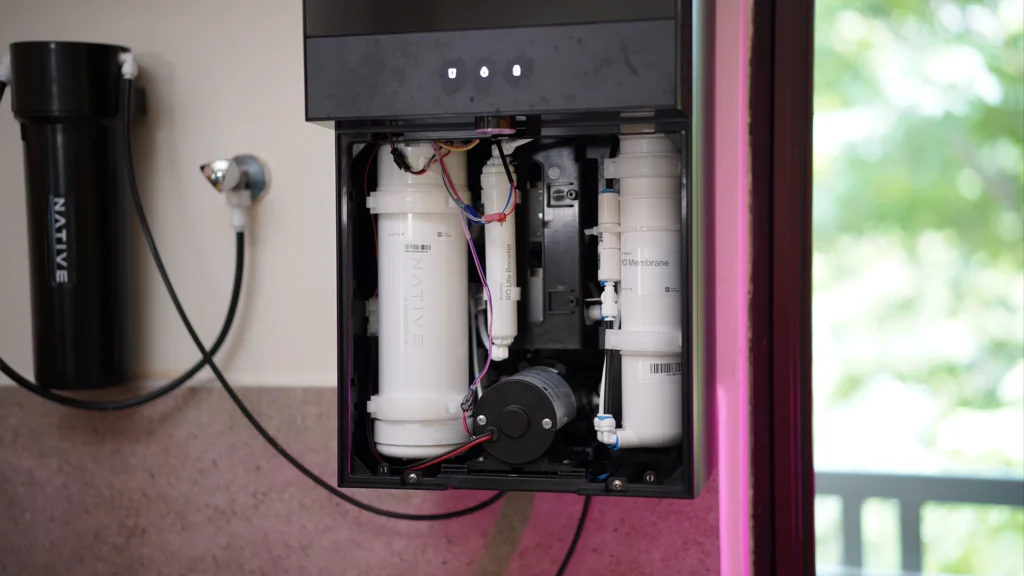
The TDS ceiling is the harder limit, though. The Atomberg Intellon is rated to 1,500 ppm, the Native M3 and M3 Pro to 2,000. Above 1,500 ppm the Intellon is out of its range, and no filter-life figure matters once you’re past that.
Water sent to the drain
The Native M3 Pro recovers around 60 per cent on low TDS water. It sends roughly 0.7 litres to waste for each litre purified. The other three send about one litre.
The Intellon, the M2 Pro and the Native M3 all run close to one for one on supplies between 500 and 700 TDS. All of them get worse as input TDS rises. This is normal RO behaviour and every RO purifier we have tested does it.
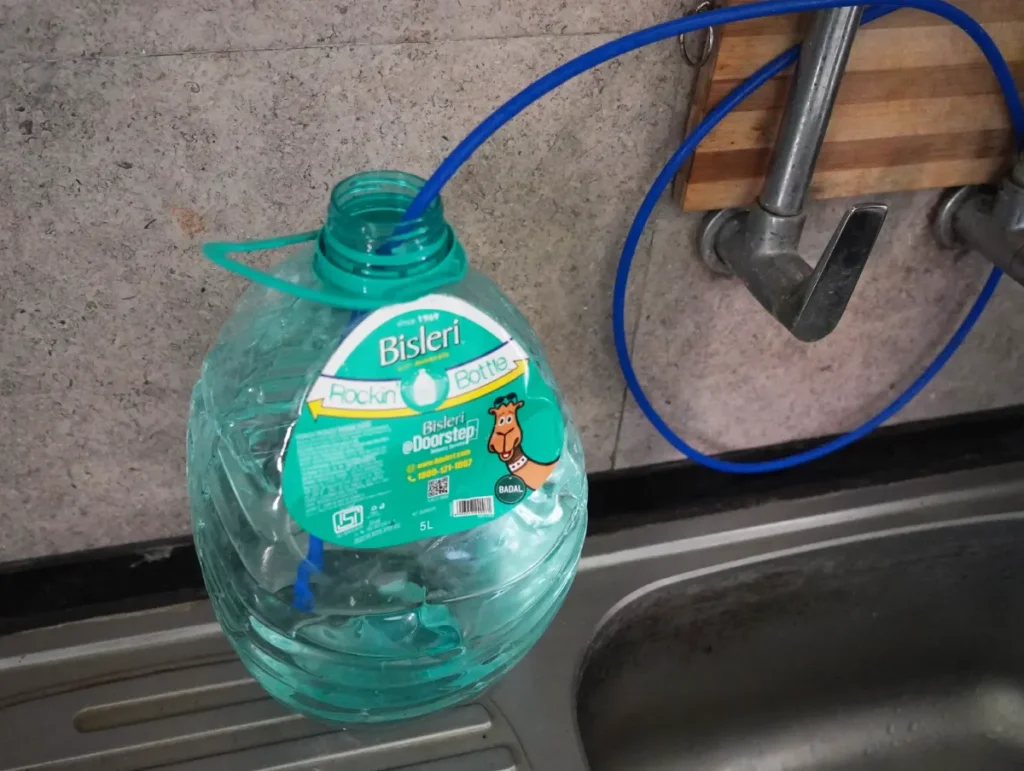
Below 500 TDS the M3 Pro is more frugal. For a family using 10 litres a day, the difference is about 1,100 litres a year. That is three weeks of a household’s drinking water.
Keep a 20 litre can under the reject line of any of them.
The white flakes
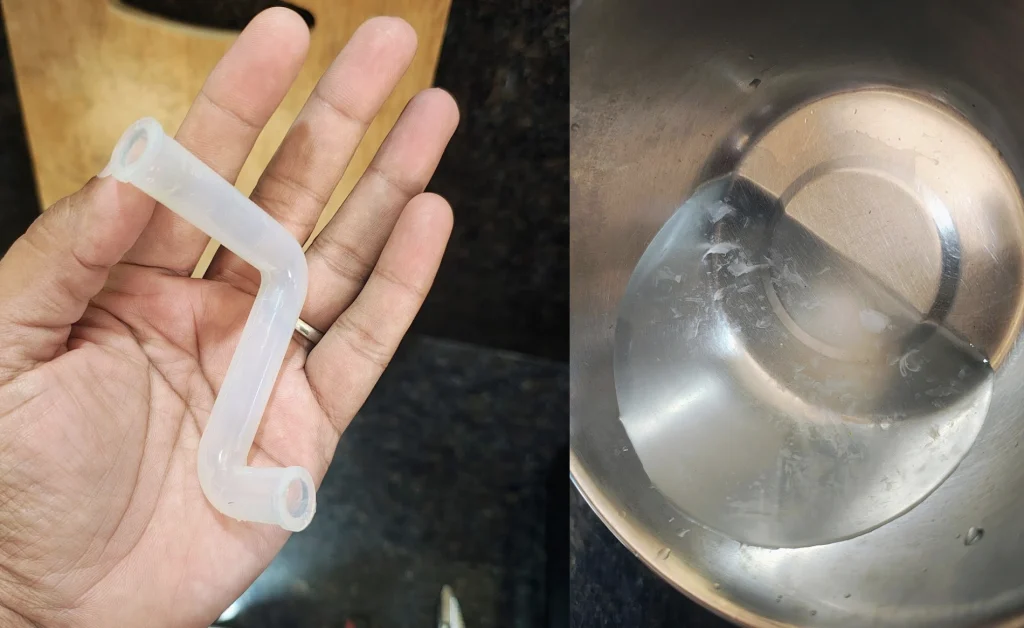
Two readers have emailed us about white silicone flakes in water dispensed by the Intellon. Around ten Amazon reviews describe the same fault.
Our own unit has not done it since installation.
The reports follow one pattern. White transparent particles appear in the dispensed water. A technician replaces a small silicone pipe.
This is reported, not tested. Two emails and ten reviews are not a failure rate. Every account described Atomberg’s service response as fast. It is still worth raising with a dealer before buying.
Service, and the check to run first
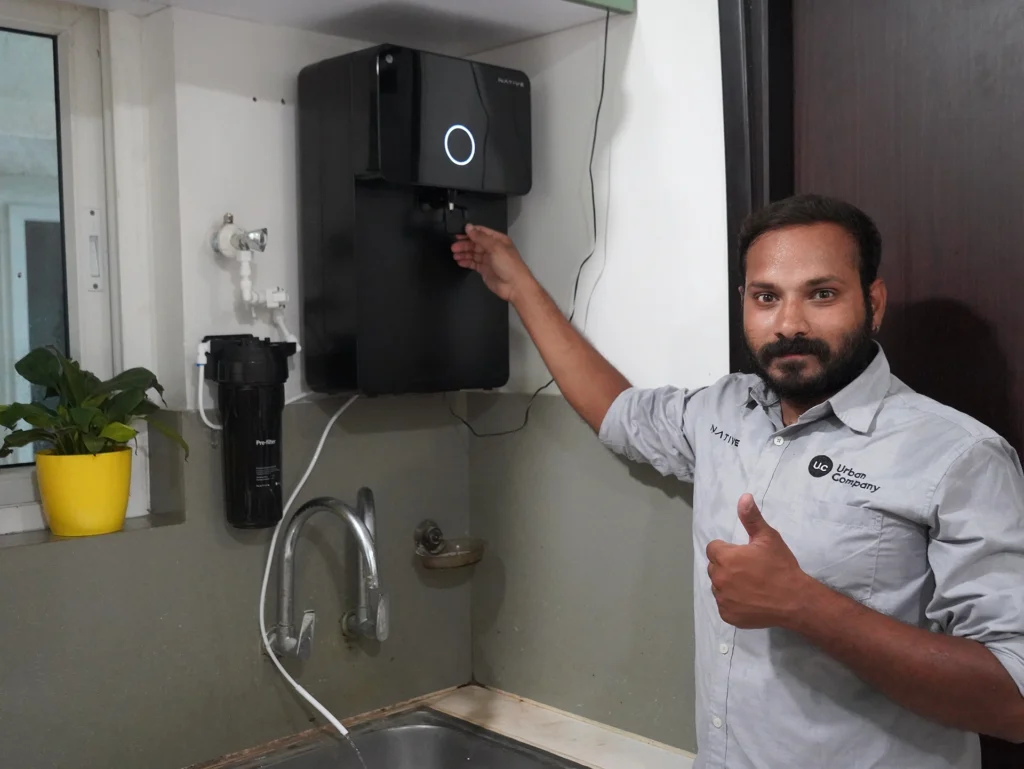
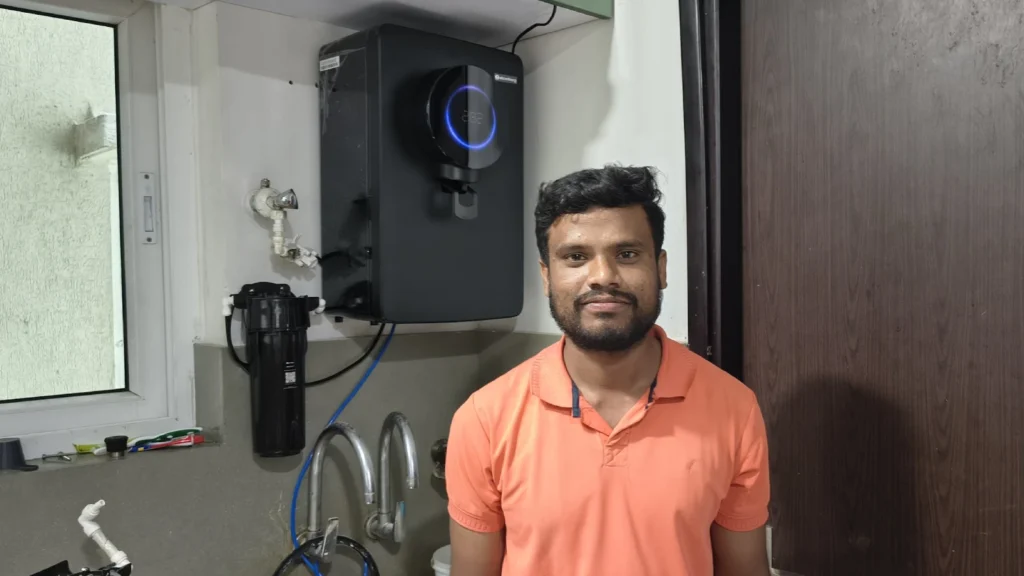
Both brands are strong in cities and weaker outside them.
Atomberg runs city dealerships with its own trained technicians rather than aggregators. Urban Company runs its own technicians in the larger cities and uses partners elsewhere.
Run this check for either brand. Open the Urban Company app and try to book a water purifier service at your address. Install the Atomberg app and give your pin code to their support team.
The verdict
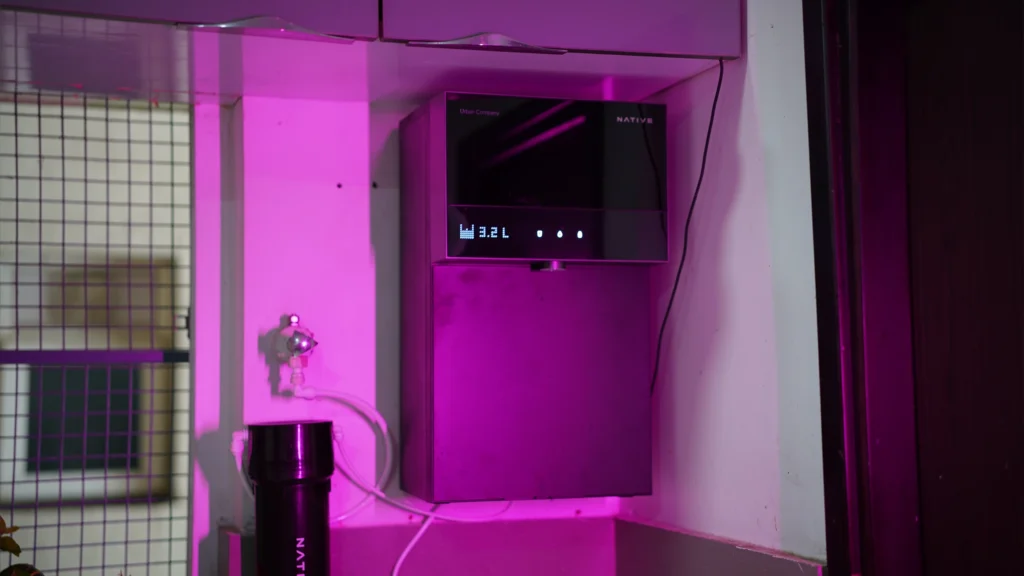
The Native M3 Pro earns its price over the life of the machine. Eighteen thousand litres against twelve. 2,000 TDS against 1,500. Less water to the drain. A display quoting the same units as a handheld meter.
Buy the Atomberg Intellon if your pin code is unflagged in Atomberg’s app, your supply is well under 250 ppm on the machine’s own scale, and you prefer paying ₹4,010 for parts to ₹7,000 for a kit. Adaptive Flow works well where it is allowed to run.
Buy the Native M3 for the M3 Pro’s filters and warranty without the display or the steel tank. Card offers reduce that saving to very little.
Buy the Native M2 Pro on a ₹17,000 budget for the 8 litre tank and the drip tray.
Check the modes in the Atomberg app before paying. The feature list on the box is not the feature list at every address.