
This page explains where our test products come from, where and how long we use them, what we measure, and what we do when a brand’s claim and our measurement disagree. Every review and buying guide on VSCTimes follows this process. Where a specific review did something different, the review says so.
Where the products come from
We buy most of what we test with our own money, at retail, from the same places you buy from. That matters because a purchased unit is the unit a customer gets, not a hand-picked sample.
We sometimes accept a product from a brand for review. When that happens, the review states it near the top, the unit gets the same test as a purchased one, and the brand does not see the review before it goes live. A supplied unit has never changed a verdict, and if it did we would not publish the review.
Brands cannot pay to be tested, to be included in a list, or to be placed higher in one. Our affiliate disclosure covers how the site earns money.
Where we test
Products are installed and used in our office and in the homes of our team members. That gives us the conditions that matter in India and that a lab misses.




For plumbing, wiring and service questions we cross-check with working plumbers and electricians. They see hundreds of installations a year, and they know which brands have spare parts on the shelf and which ones make you wait.
How long we test
Long enough that the honeymoon period is over. The exact period is stated in every review, because it differs by category:
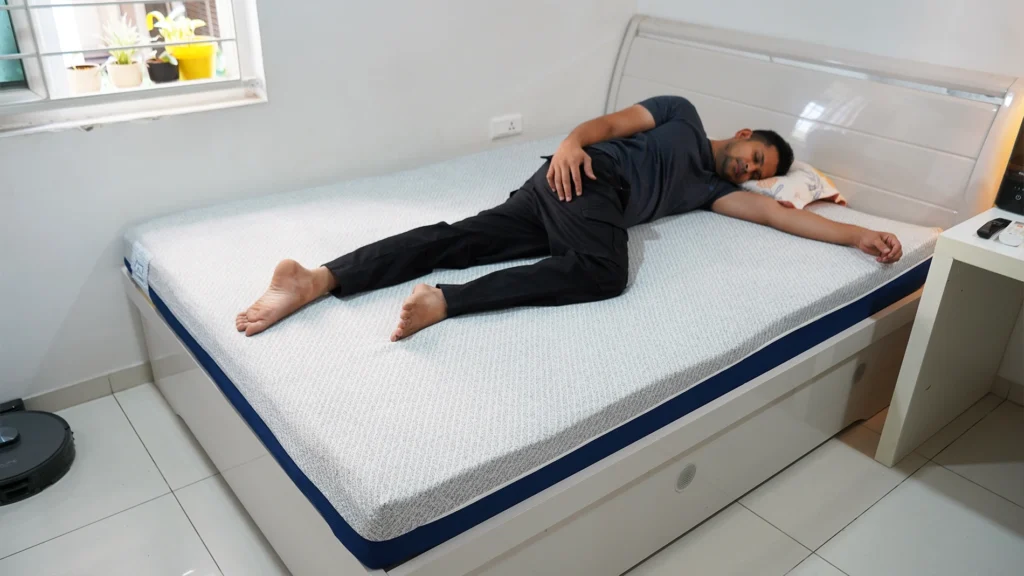
- Mattresses: each mattress goes into a team member’s bedroom and is slept on for at least six months. Where a mattress is aimed at back pain, it goes to someone who has it.
- Ceiling fans and BLDC fans: around six months of daily use through a summer, with electricity use tracked against the fans they replaced.
- Vacuum cleaners and robot vacuums: more than a year of regular use at home and in the office.
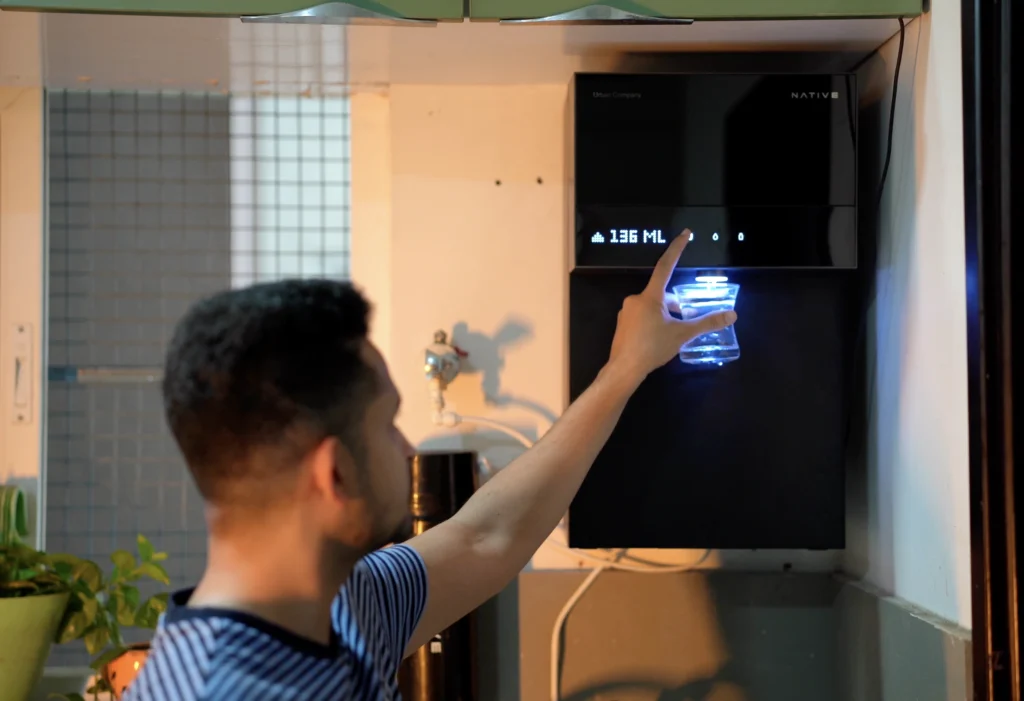
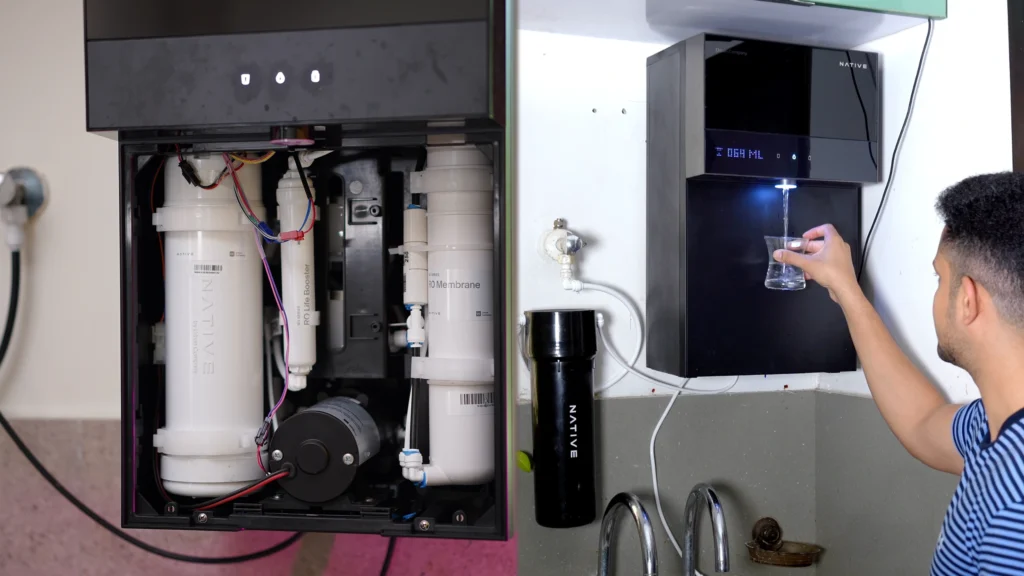
- Water purifiers: the first months on two different water supplies for the initial review, and then we keep the machine for as long as it lasts, two, three and in some cases five years. That is the only way to know what the AMC really costs, how long the filters and membrane actually go, and whether the service network still turns up in year three.
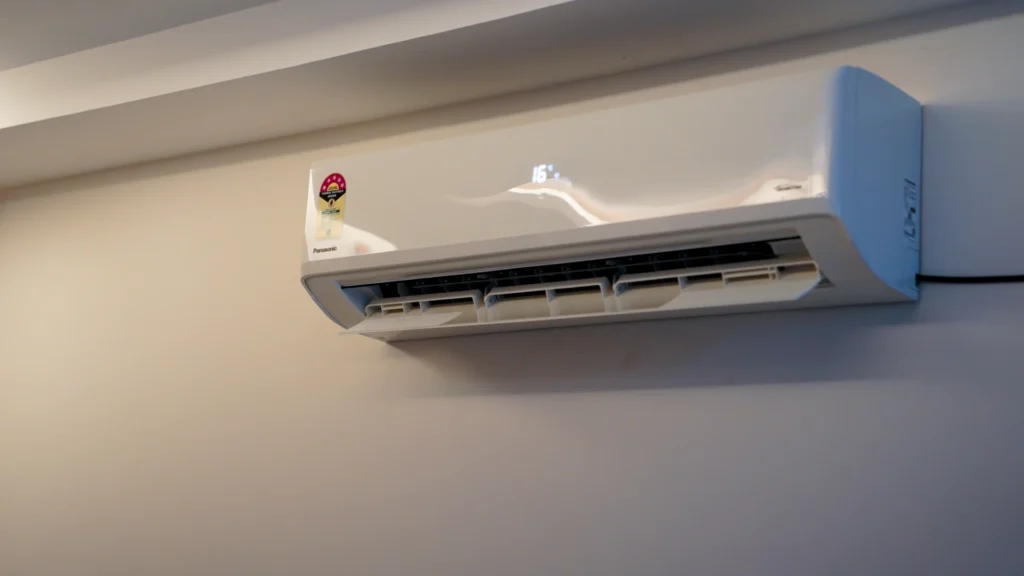
- Air conditioners: through a full summer, in the rooms we actually sleep and work in.
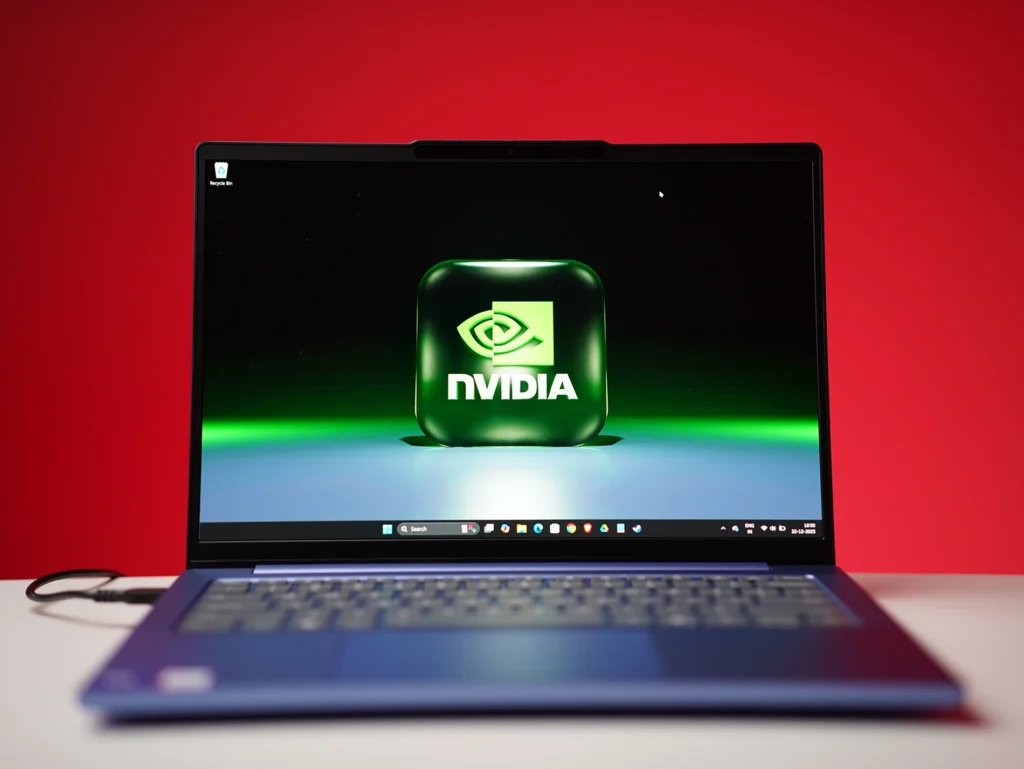
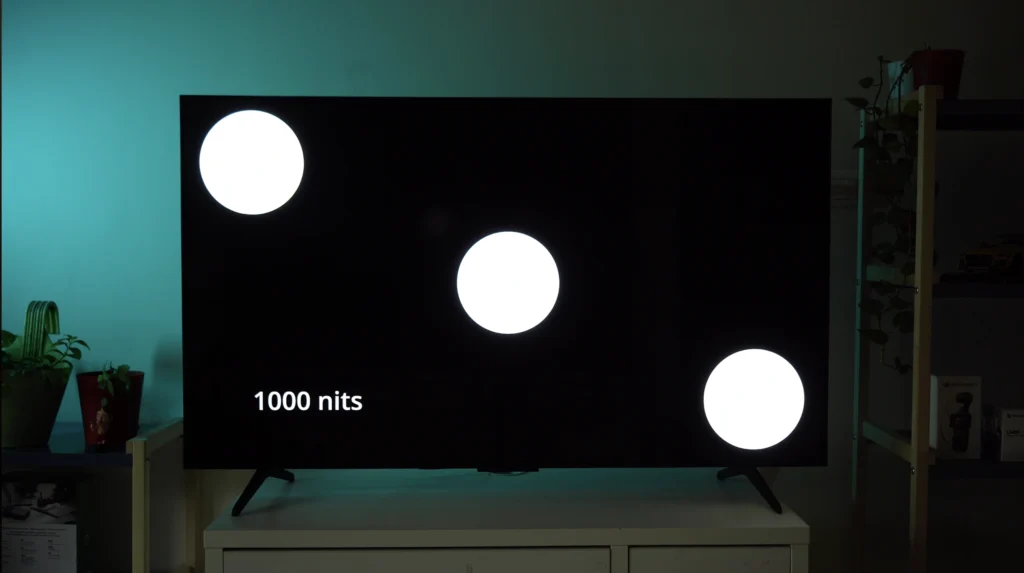
- TVs and laptops: measured with testing tools on day one, then used every day for several weeks before the review is written. Testing does not stop at publication. The TV stays in use in one of our homes and the laptop stays in daily work, so the review can be updated when a software update, a panel or battery problem, or a service experience changes the picture.
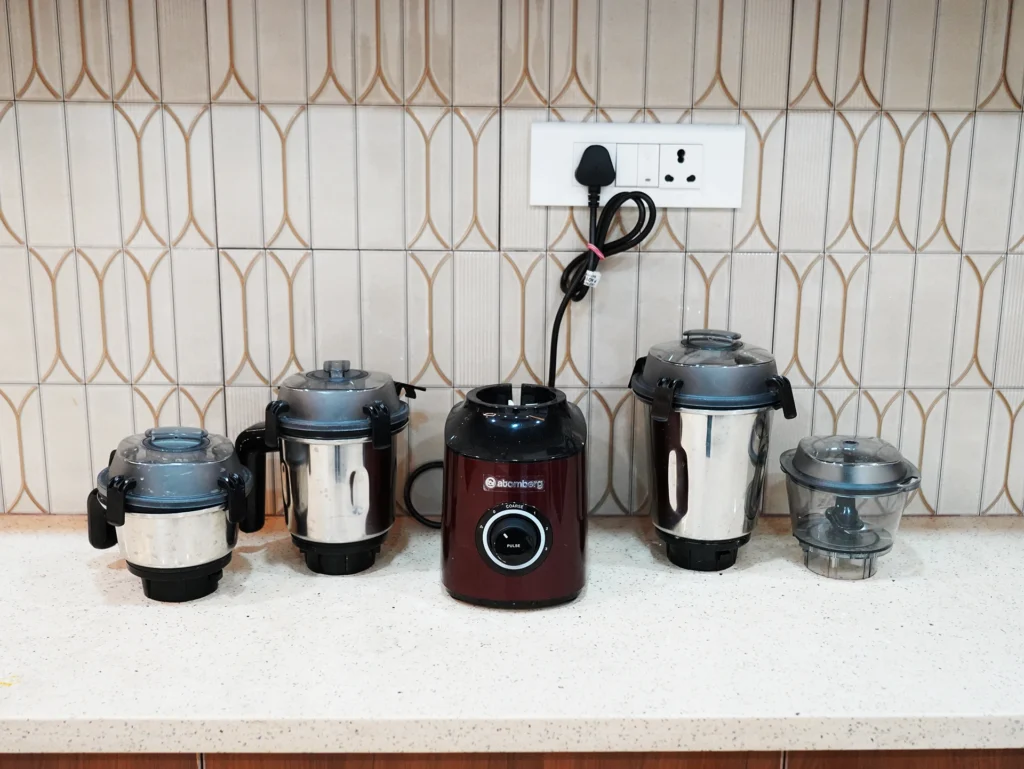
- Mixer grinders, juicers and food processors: daily cooking use, plus stress runs such as running a cold press juicer continuously for over an hour to check heating and motor stability.
Where a product is new and we have had it for weeks rather than months, the review says so, and we update it once the longer-term picture is in.



What we measure
We use instruments where a number is what matters, and daily use where it is not.
- Water purifiers. Input and output TDS with a handheld meter, checked against the purifier’s own display. Recovery, meaning how many litres of drinking water you get for every litre that goes down the drain. Filter and membrane life against what the brand claims. Service response, AMC cost and what the technician actually replaces.
- Air conditioners. Time to cool a known room, power consumption with an energy meter, noise at the indoor unit, and the BEE star rating and ISEER against the label. We flag models sold as 1.5 Ton that are rated below that, and we note the 2026 BEE table change that drops a 2025 5-star to 4-star.
- Fans. Power draw at each speed against the older induction fan it replaced, and the electricity bill difference over a season. Our BLDC case study came from those readings.
- Mixer grinders, wet grinders, juicers, food processors. Noise with a decibel meter at full speed, how fine it grinds wet and dry, whether the jar locks, whether it restarts after a power cut, and how hot the motor gets under continuous load.
- Vacuum cleaners. Noise with a decibel meter, pickup on hard floor and carpet, run time per charge, bin and filter maintenance, and how the battery holds up after a year.
- TVs, monitors and laptop screens. Dead pixels, backlight uniformity, banding, refresh rate and HDR behaviour using our own Display Test tool, then real content: SDR and HDR streaming, gaming, and daytime viewing in a bright Indian living room.
- Mattresses. Sleep quality over months, sag and edge support after use, heat retention in summer, and how people with back pain got on with each one.
- Everything. Installation experience, brand service, spare part availability, warranty terms, and the running cost over the product’s life, not just the sticker price.
Claims versus measurements
A brand claim and our measurement are two different things, and we label them that way. A TV’s advertised peak brightness, a laptop’s rated battery life, an AC’s ISEER on the label, a fan’s stated air delivery, a purifier’s filter life: each of these is a claim until we have measured it, and the review says which it is. When our number matches the claim, we say so. When it falls short, or holds up but not to the letter, we say that too. We do not copy a specification sheet and present it as a finding.
We do not have a certified lab, and we do not pretend to. What we have is the same set of instruments and test patterns applied the same way to every product in a category, whether that is a colorimeter on a panel, a benchmark on a laptop, an energy meter on an AC, or a TDS meter on a purifier. Numbers produced that way are right for comparing one model against another, which is what a buying decision needs.
How the score is set
The score at the top of a review is our overall verdict for that product at its price, weighing performance, build, running cost, service and value. It is not an average of the sub-scores, and it is not a formula. Two products with the same score are not identical, so read the verdict, not just the number.
How rankings in Best guides are decided
A model has to have been tested by us to appear in a Best guide. Position reflects how it performed for the buyer that guide is written for, not commission rate, not brand relationship, and not what is trending on Amazon. When a better model arrives, it displaces one we recommended earlier, and the guide’s Updated date changes.
When we update
Guides are revisited when models change, prices move a lot, a regulation changes, or long-term use changes our mind. The Updated date on a page changes only when the content changed in a way that matters to a buyer. We do not bump dates to look fresh.
If we got something wrong
Email hello@vsctimes.com with the page link and what you found. If you are right, we fix the page. Questions about which product to buy are answered in the comments under the relevant article so that everyone benefits from the reply.
Who does the testing is on our About page. The rules we write under are on our Editorial Policy.